

Let's Get Back to Basics
Quick-reference cheat sheets for the five essentials of gardening. Click each image to explore the details.

Full sun (6+ hours): tomatoes, peppers, squash and cucumbers, eggplant, peas/beans, onions, carrots, turnip, corn, cabbage, potatoes
Part sun (4–6 hours): lettuce, spinach, kale, chard, most leafy greens, beets, radish
Under 4 hours: Lettuce will survive, but will not prosper.

Deep and frequent: tomatoes, peppers, squash, cabbage, eggplant, corn, radish, peas/beans. Two full soak-and-absorb cycles, every 2 to 3 days in summer heat or no rain.
Deep and infrequent: once these plants are mature give two soak-and-absorb cycles once weekly: carrots, beets, potatoes, onions, turnip. Encourage these roots to chase the water down.
Frequent and shallow: lettuce, spinach, most leafy greens. The roots of these plants are shallow. Water enough to wet the top 2 inches.

Preferred Soil Texture:
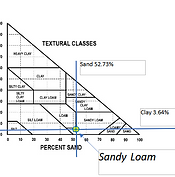
Loose, sandy loam: Carrots, potatoes, onions, radish, turnips
Fertile, moisture-retentive: Cabbage family, lettuce and greens, beets
Well-drained loam: Corn, eggplant, peas and beans, peppers, squash and cucumbers, tomatoes
Preferred pH: Most vegetables grow well between 6.0 and 7.0. Potatoes generally prefer slightly more acidic soil; a pH of 5.0–6.0 also helps reduce common scab.

Nitrogen (N): Supports leafy green growth and chlorophyll production, which is essential for photosynthesis.
Phosphorus (P): Helps with energy transfer, root development, flowering and seed production.
Potassium (K): All Around: Helps regulate water movement, and supports overall plant health. Improves tolerance to environmental stress and disease.
Remember: N-P-K = Up – Down – All Around.

Planting time: Soil temperature controls germination; air temperature and frost risk matter for transplanting.
Hardening off: Gradually acclimatize indoor-grown seedlings to outdoor conditions over 7–14 days.
Frost: Protect tender vegetables before freezing temperatures arrive. Some cool-season crops tolerate light frost.
Extreme heat: Temperatures around 35°C can cause blossom drop in tomatoes and peppers.
Heat stress: Avoid fertilizing plants that are wilting from heat or drought.
Dig a Little Deeper
Use these tools to better understand your garden, your growing conditions, and what your plants need to thrive.

Learn how to find out how many hours of direct sunlight your spot actually gets. Track sun and shade through the day, account for buildings, then match the plants that fit.
Get to know the soil your plants are growing in. Learn about texture, drainage, organic matter and soil life. Better soil, better garden

Find your Canadian Plant Hardiness zone and learn what it means for your garden, what plants you can grow, and what you can't.